
Navigating the Challenges: The Realities of Onshore Wind Turbine Installation
The quest to harness wind energy through onshore wind turbines, while a cornerstone of renewable energy, is not without its challenges. From the complexities of site selection to the intricacies of construction and the demands of community engagement, the process of installing onshore wind turbines is a multifaceted endeavour that requires careful planning and execution.
Site Selection and Environmental Impact
Choosing the right location for wind turbines is a critical first step, fraught with challenges. The site must have consistent and strong wind patterns, but also needs to be environmentally sustainable. The installation should not adversely affect local wildlife or disrupt the natural landscape significantly. Moreover, the proximity to residential areas and the visual impact of turbines are also key considerations.
Technical and Logistical Hurdles
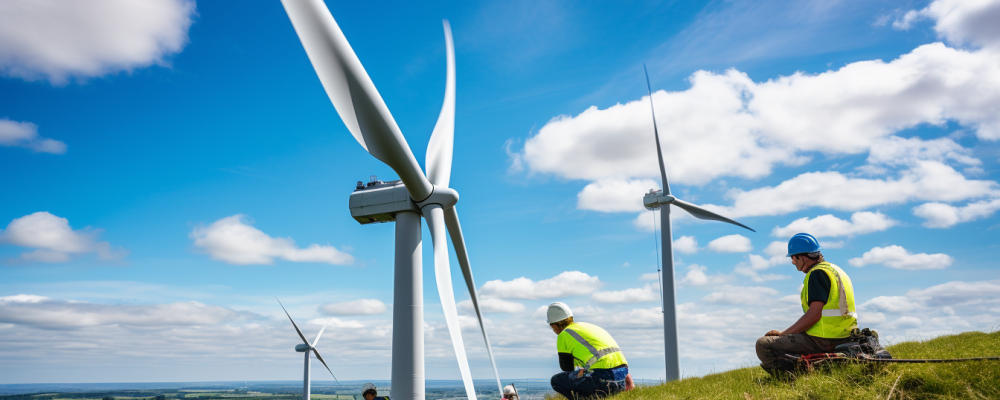
The actual installation of wind turbines involves a range of technical challenges. Transporting the massive components to the site, particularly in remote or difficult-to-access areas, requires meticulous logistical planning. Once on-site, the assembly and erection of these towering structures demand precise engineering and a skilled workforce. The integration of turbines into the existing power grid also poses significant technical challenges, requiring substantial infrastructure and coordination.
Community Engagement and Support
Gaining the support of local communities is crucial for the successful installation of wind turbines. Transparent communication and addressing the concerns of residents play a significant role in the process. Developers must work closely with local stakeholders, providing clear information about the benefits and potential impacts of the project.
Economic Viability and Policy Challenges
The economic feasibility of onshore wind projects is another major challenge. Balancing the high initial investment against long-term benefits is crucial. Policy and regulatory frameworks also significantly impact the development of wind energy projects. Incentives, subsidies, and supportive government policies can greatly facilitate the installation of wind turbines, while regulatory hurdles can impede progress.
Future Perspectives and Research
As the demand for renewable energy grows, ongoing research and development are essential in overcoming these challenges. Innovations in turbine technology, more efficient construction methods, and strategies for minimizing environmental impact are continually evolving. Collaborative efforts focus on addressing these challenges to enable more efficient and reliable wind energy generation.
Conclusion
Onshore wind turbine installation is a complex but vital component of our renewable energy landscape. Navigating its challenges requires a holistic approach, balancing environmental, technical, economic, and social factors. With continued innovation and collaboration, the hurdles faced today can pave the way for a more sustainable and wind-powered future.


